
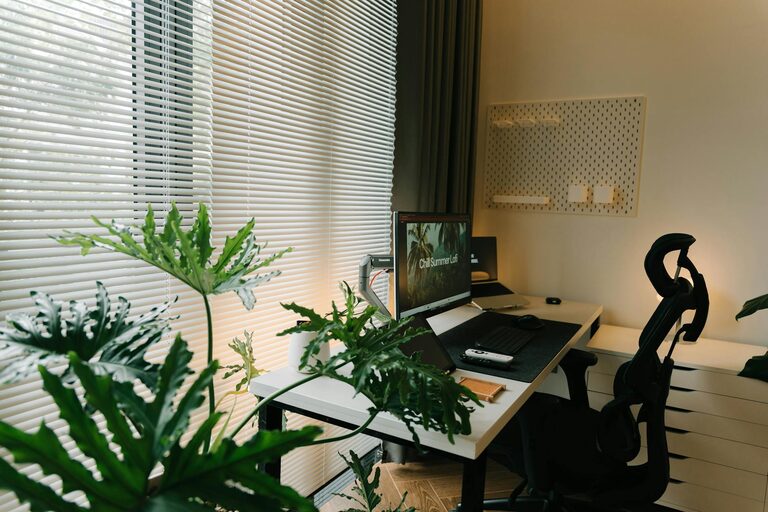
Creating a relaxing home office environment is essential for staying focused, motivated, and productive. Whether you work remotely full-time or occasionally work from home, the surroundings you create can greatly impact your work quality and overall well-being. In this post, we will explore practical tips for designing a calm and inviting workspace that helps boost your productivity.
Why a Relaxing Home Office Matters
The home office is more than just a place to complete tasks. It is where you spend much of your waking hours working toward your goals. A cluttered, noisy, or uncomfortable environment can lead to distractions, stress, and burnout. Conversely, a thoughtfully designed space that promotes relaxation can:
– Improve concentration
– Reduce stress and fatigue
– Enhance creativity
– Increase motivation
– Support better work-life balance
Let’s look into how you can create this ideal setting.
Choose the Right Location
Find a Quiet Spot
If possible, pick a room or corner away from household noise and high traffic areas. Quiet helps reduce distractions and maintain your focus.
Maximize Natural Light
Position your desk near a window to take advantage of natural daylight. Natural light helps improve mood, energy levels, and reduces eye strain.
Consider Privacy
If your work involves sensitive information or video calls, choose a space where you can close the door or use room dividers for privacy.
Prioritize Ergonomics
Invest in a Comfortable Chair
A supportive chair with adjustable height, backrest, and armrests prevents back pain and encourages good posture.
Use an Adjustable Desk
If possible, try a sit-stand desk that allows you to change positions throughout the day. This flexibility enhances comfort and reduces fatigue.
Position Your Screen at Eye Level
Set your monitor so the top of the screen is at eye height to avoid neck strain.
Organize Keyboard and Mouse Placement
Keep your keyboard and mouse close enough to prevent overreaching, and ensure your wrists remain straight.
Control Lighting and Ambiance
Blend Natural and Ambient Light
In addition to natural light, use soft, warm-toned lighting to create a cozy atmosphere without glare.
Reduce Screen Glare
Use blinds or curtains to manage sunlight and position screens to minimize reflections.
Add Relaxing Elements
Consider a small desk lamp, salt lamp, or soft LED lights to enhance mood and reduce eye strain.
Declutter and Organize
Keep Only Essentials on Your Desk
Limit items to what you use daily to maintain a clean and focused workspace.
Use Storage Solutions
Shelves, drawers, and boxes help keep papers and supplies neatly out of sight.
Develop an Organization System
Label files and use folders or digital tools to track tasks and deadlines for better efficiency.
Incorporate Soothing Colors and Decor
Choose Calming Colors
Soft shades like blues, greens, or neutrals evoke relaxation and reduce stress.
Add Personal Touches
Include plants, artwork, or meaningful objects to make the space inviting and enjoyable.
Use Natural Materials
Wood, stone, and fabrics add texture and warmth to your office environment.
Manage Noise Levels
Use Noise-Canceling Headphones
They provide focus by blocking out distracting sounds, especially in busy homes.
Play Background Music
Soft instrumental music or nature sounds can create a calming atmosphere.
Consider White Noise Machines
These devices help mask disruptive noises if you don’t want music.
Take Breaks and Move
Follow the 20-20-20 Rule
Every 20 minutes, look at something 20 feet away for 20 seconds to reduce eye strain.
Stand Up and Stretch
Regular movement prevents stiffness and refreshes your mind.
Designate a Relaxation Spot
Have a chair or corner nearby where you can step away briefly to relax and recharge.
Maintain a Consistent Routine
Set Working Hours
Define your schedule clearly to separate work time from personal time.
Create Start and End Rituals
Simple actions like tidying your desk or making a cup of tea signal work time and help mentally prepare you.
Limit Distractions
Turn off non-work notifications and set boundaries with others during your work hours.
Final Thoughts
A relaxing home office doesn’t have to be perfect — small changes can have a big impact on your daily work experience. Focus on comfort, organization, and ambiance to create a space that supports your productivity and well-being. By investing time in setting up your home office thoughtfully, you’ll enjoy improved focus, reduced stress, and a better balance between work and life.
Try implementing these tips one at a time to find what works best for you. Your ideal workspace is a personal reflection of your work style and needs, so allow yourself the flexibility to adjust and create a place where productivity and relaxation go hand in hand.