
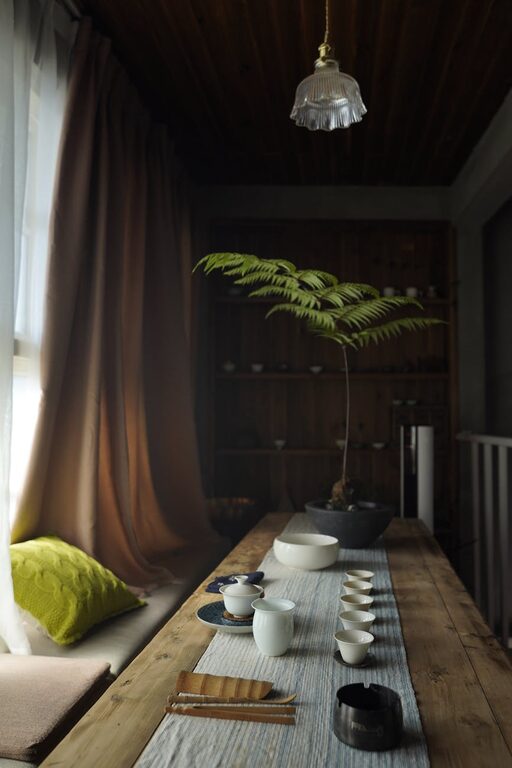
Creating a relaxing home environment is essential for enhancing your well-being. Your living space can be a refuge from daily stress, a place where you feel calm and comfortable. By making intentional changes in your home, you can cultivate an atmosphere that promotes relaxation and peace of mind. This post will guide you through practical tips to help you design a soothing space that supports your health and happiness.
Why a Relaxing Home Environment Matters
Our environment greatly influences our mood and stress levels. A cluttered or noisy space can increase anxiety and reduce your ability to unwind. Conversely, a relaxing home helps lower stress hormones, promote restful sleep, and improve overall mental clarity. By focusing on comfort, aesthetics, and atmosphere, you create a sanctuary that nurtures your well-being every day.
Declutter and Organize for Calmness
One of the easiest ways to make your home feel more peaceful is to declutter. Clutter can cause visual stress and distract your mind. Organizing your belongings not only creates a cleaner space but also helps you feel more in control.
– Start small: Tackle one room or area at a time to prevent feeling overwhelmed.
– Keep only what you love or use: Donate or recycle items you don’t need.
– Use storage solutions: Bins, baskets, and shelves help keep surfaces clear.
– Establish routines: Regular tidying habits prevent clutter from accumulating again.
Incorporate Soft, Natural Lighting
Lighting plays a significant role in how relaxed you feel indoors. Harsh overhead lights may create tension, while softer, warmer tones promote calmness.
– Use lamps with warm bulbs: Table and floor lamps provide gentle, indirect light.
– Maximize natural light: Open curtains during the day to let sunlight in.
– Try dimmers: Adjustable lighting allows you to set the mood depending on the time and activity.
– Avoid blue light in the evening: Limit screens before bed to help your body prepare for sleep.
Choose Relaxing Colors and Textures
Colors and textures influence our emotions more than we often realize. Certain hues and materials can evoke serenity and comfort.
– Opt for soothing colors: Soft blues, greens, earth tones, and neutrals tend to be calming.
– Add cozy textiles: Plush rugs, cushions, and throws provide warmth and tactile comfort.
– Use natural materials: Wood, cotton, wool, and linen bring organic elements indoors.
– Balance patterns: Use simple, subtle designs for a peaceful aesthetic.
Create Dedicated Spaces for Relaxation
Having specific zones in your home designed for relaxation can encourage you to slow down and enjoy downtime.
– Reading nook: A comfy chair with good lighting and a small bookshelf.
– Meditation corner: A quiet, uncluttered spot with cushions or a mat.
– Bath sanctuary: Enhance your bathroom with candles, plants, or calming scents.
– Outdoor retreat: A balcony or garden area with comfortable seating and fresh air.
Incorporate Nature Indoors
Bringing elements of the natural world into your home supports relaxation and well-being.
– Houseplants: Add greenery to improve air quality and create a soothing vibe.
– Natural scents: Use essential oils, soy candles, or fresh flowers for gentle aromas.
– Natural sounds: Soft music or nature soundtracks can promote calm.
– Views of nature: Position furniture to lookout windows with greenery or water when possible.
Minimize Noise and Distractions
A quiet home environment helps your mind unwind and prevents feeling overwhelmed.
– Use rugs and curtains: These absorb sound and reduce echo.
– Consider white noise: Fans or machines can mask disruptive noises.
– Set boundaries: Communicate quiet times if you share your home with others.
– Keep gadgets out of bedrooms: Promote restful sleep by avoiding entertainment devices.
Practice Mindful Decor and Personal Touches
Decorate in a way that reflects your personality and promotes positive feelings.
– Display meaningful items: Photos, art, or souvenirs that bring joy.
– Keep it simple: Avoid overcrowding with too many decorations.
– Incorporate art: Choose artwork that inspires calm or happiness.
– Rotate decor seasonally: Small changes can refresh your space and mood.
Conclusion
Transforming your home into a relaxing environment doesn’t require a total makeover. By incorporating simple habits such as decluttering, optimizing lighting, choosing calming colors, and making space for rest, you can create a peaceful sanctuary that supports your well-being. Remember, your home is a personal place – tailor these tips to suit your lifestyle and preferences for the best results.
Creating a relaxing home environment is a step toward living a more balanced and joyful life. Start small, be patient, and enjoy the process of making your space a true haven.